
Natural Detox: Supporting Your Body & Protecting the Planet
We live in a world where small, everyday exposures to chemicals can quietly add up, through the food we eat, the products we use, and even the air we breathe.
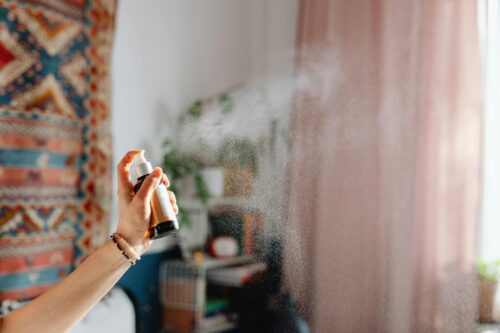
Indoor Air Pollution: A Hidden Health Threat
The hidden sources of Indoor air pollution We often think of air pollution as something that happens outside: industrial emissions, traffic, smokestacks. But the truth is, the air inside our
Informed Hydration: Understanding and Improving Your Water
Water is essential to life. It fuels our bodies, supports digestion, regulates temperature, and helps transport nutrients and toxins throughout the body. Beyond our personal health, water connects us to
From Connection to Action – Beaches Go Green Community Events
Go Green Drinks Jax: A Sustainable Start to 2026 Beaches Go Green officially kicked off a new chapter of community connection and climate action with our very first Go Green
A Sweeter, Less Toxic Valentine’s Day
Love Without the Chemicals Valentine’s Day is all about love—love for our partners, our kids, our friends, and ourselves. But many common Valentine’s traditions come with hidden chemicals that aren’t

The Ecosystem Beneath our Feet
Lawns and gardens aren’t just something we look at—they’re living ecosystems quietly working every day to support our health and environment. Covering tens of millions of acres across the U.S.,

2025 Highlights + What’s Ahead
Expanding Our Impact Through Education and Community Celebrating the inaugural year of the Beaches Go Green Club at Paxon School for Advanced Studies. BGG 2.0: A New Era of Impact

Why I Choose Beaches Go Green (and why I hope you will too)
I want to be straight with you. As the founder of Beaches Go Green… I don’t have to do this. I could be traveling. Walking the beach. Laying by the

We’re Not Doing Resolutions. Here’s Why.
Why Simple Habit Swaps Matter More Than Big Resolutions Every January, it happens. Suddenly, we’re told to wake up earlier, eat perfectly, work out daily, cut out everything “bad,”

Celebrating Environmental and Health WINS in 2025
We’re bombarded with a lot of bad news these days, but at Beaches Go Green, we believe in celebrating the small wins. As 2025 comes to a close, we’re highlighting

Eco-Friendly Gift Ideas: Thoughtful, Non-Toxic & Low-Waste Gifts People Actually Want
Thoughtful, Low-Waste Gift Ideas You’ll Actually Feel Good Giving If you’re tired of gifts that end up forgotten, broken, or tossed, Beaches Go Green put together the list perfect for

BGG Student Clubs Highlights + Sustainable Stocking Stuffers
BGG Student Club Highlights Our clubs at Fletcher Middle School and Sandalwood High worked tirelessly on their displays for Deck the Chairs 2025! Students repurposed newspaper, plates, cups, old fishing
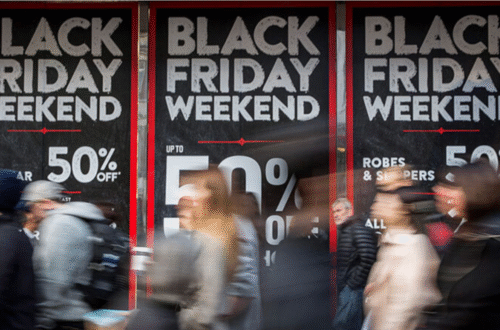
Black Friday, But at What Cost?
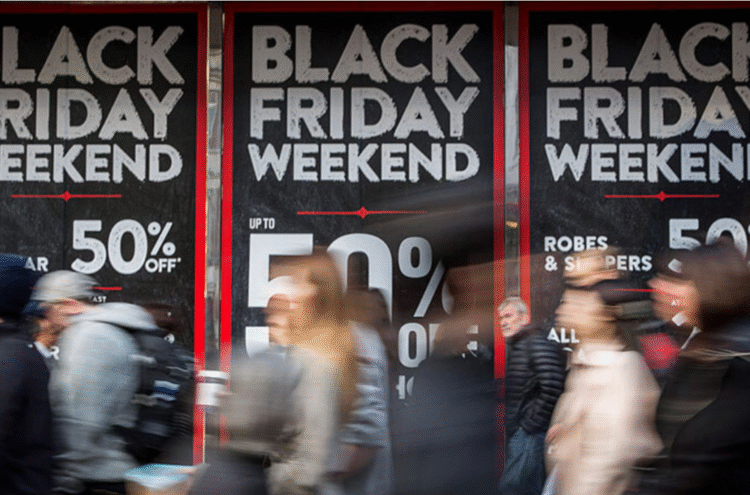
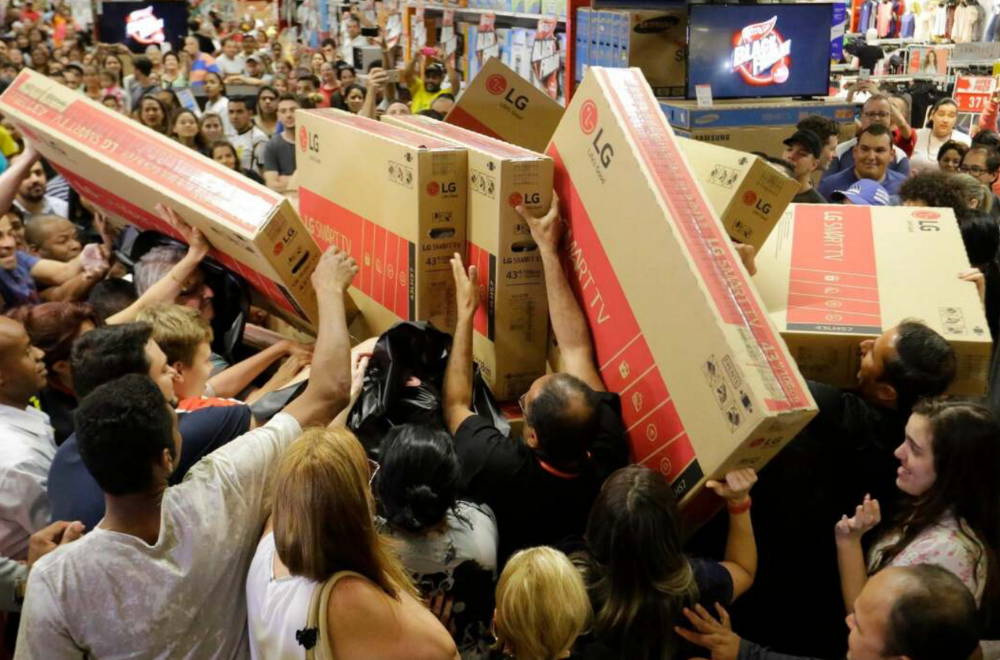
the real price tag of black friday Black Friday and Cyber Monday have become cultural events built around urgency: buy now, ship fast, don’t miss out. A single weekend of

Rethink the Feast: Celebrate Sustainably
Thanksgiving is about abundance, but that abundance sometimes comes at a cost. When we zoom out, the holiday reveals a surprising environmental impact—one shaped by how we produce, consume, and

What You Wear Impacts Your Health — and the Planet
your clothing choice matters What you wear every day does more than express your style — it directly impacts your health and the environment. Many modern clothes are made from
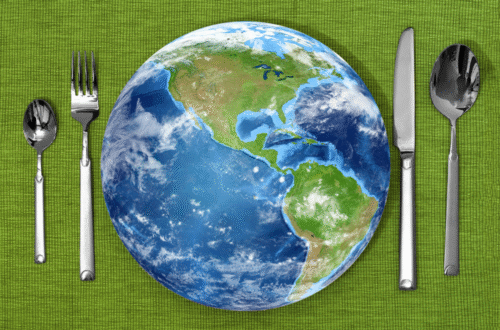
Nourishing Ourselves, Healing the Planet
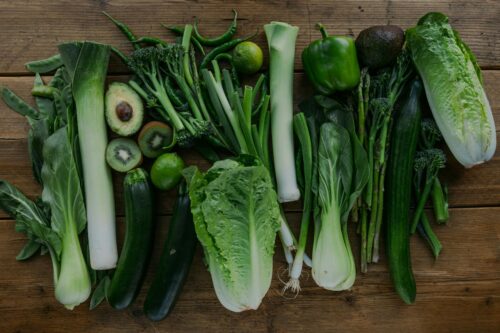
Your Plate Has Power: Food, Farming & the Health of Our Planet Food connects us to the planet in powerful ways. What we eat shapes our health, our communities, and

Q3 Impact + Meet the BGG Board
Q3 highlights: Big moves. bold impact. Can you believe Q3 is over already?! Beaches Go Green 2.0 spent this quarter deepening community connections, creating powerful educational content, and gearing up

Trick or Toxin? Candy, Treats & Conscious Choices
a halloween that doesn’t haunt the planet Halloween is all about fun, friends, creativity—and let’s be honest—candy. But many popular treats hide ingredients that aren’t so sweet for our health

KISS: Keep it Simple. Keep it Safe.
Feeling Overwhelmed by Toxins and Plastics? Start Here. If you’ve ever looked around your kitchen, bathroom, or closet and thought, “Where do I even begin?” — you’re not alone. Between

Toxic Detox: How do We Reverse What’s Been Done
The Hidden Toxins We’re Exposed to Every Day—and What You Can Do About Them Every single day, our bodies are exposed to hidden toxins—from the air we breathe, the food