
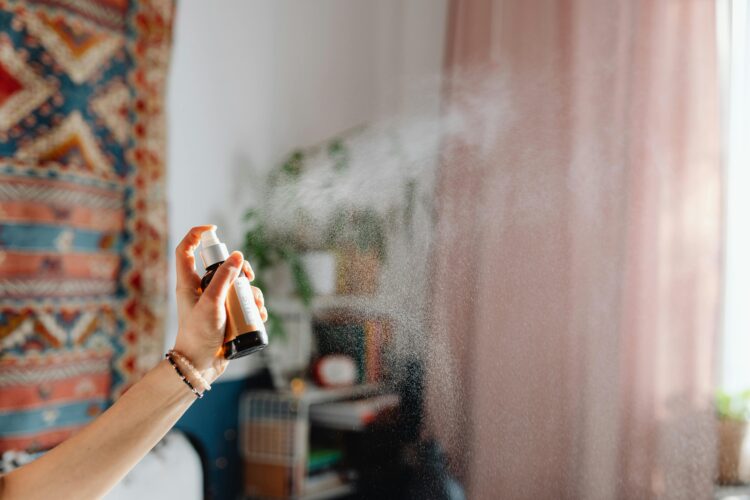
The hidden sources of Indoor air pollution
We often think of air pollution as something that happens outside: industrial emissions, traffic, smokestacks. But the truth is, the air inside our homes, schools, and workplaces can be 2-5 times more polluted. So while outdoor air pollution receives a lot of attention, indoor air quality is often overlooked, even though it can have a significant impact on human health.
Humans spend about 90% of our time indoors, where pollutants from everyday products can build up in higher concentrations than what we experience outside.
Some of the most common contributors include:
- Cleaning products and disinfectants
- Air fresheners and scented candles
- Gas stoves and combustion appliances (ovens, fireplaces, water heaters, etc.)
- Furniture and mattresses treated with flame retardants
- Carpets and synthetic flooring
- Paints, adhesives, and building materials
Because indoor environments often have limited air circulation, these pollutants can build up and remain suspended in the air or settle into dust, where they continue to circulate throughout the home.
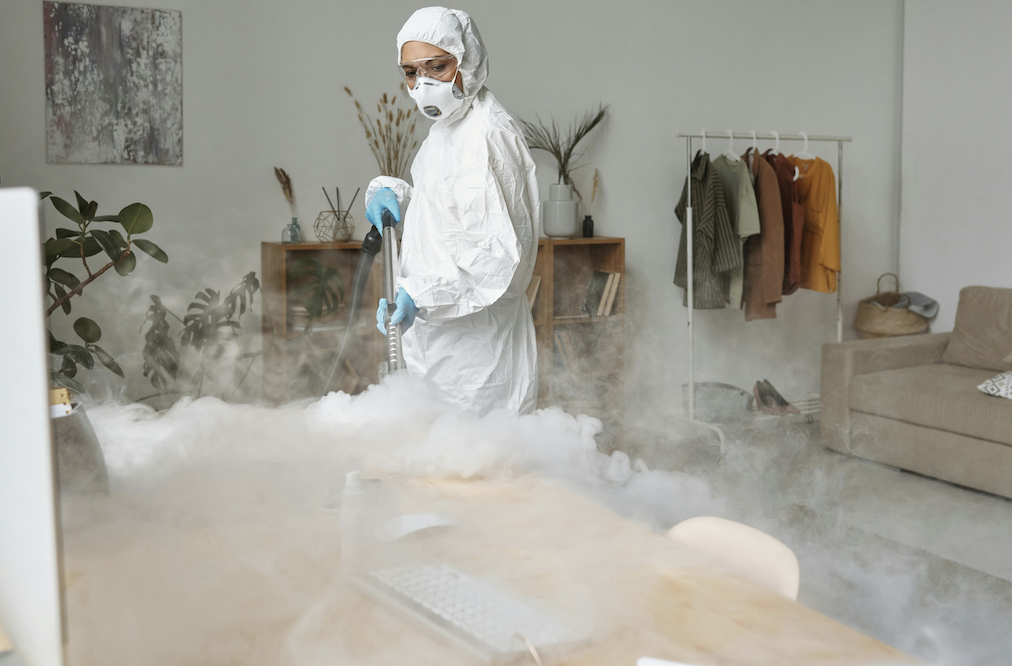
Common chemicals found in household air
Let’s break down some of the main chemicals and where they can be found:
- Volatile Organic Compounds (VOCs): Found in paints and varnishes, cleaning products, furniture finishes, air fresheners.
Contribute to headaches, eye and throat irritation, dizziness, respiratory discomfort. Long-term exposure has been linked to impacts on the liver, kidneys, and nervous system.
- Synthetic Fragrance Chemicals: Found in scented candles, air fresheners, laundry detergents, fabric softeners, personal care products, household cleaners.
- Fragrance chemicals can release VOCs into the air and contribute to indoor air pollution. Some people may experience headaches, respiratory irritation, or allergy-like reactions.
- Flame Retardants: Often added to furniture, mattresses, electronics, and certain textiles. Over time, these chemicals can shed and accumulate in household dust where they can be inhaled or ingested.
- Some flame retardants have been associated with hormone disruption, thyroid effects, and developmental concerns in children.
- Microplastics: Tiny plastic particles can become airborn from synthetic clothing/textiles, carpets & rugs, upholstered furniture, and plastic household items.
- The long-term health implications of microplastics are still being studied, but research suggests that they may contribute to hormone disruption, respiratory irritation, and inflammation.
While we can’t control air quality everywhere, simple steps at home can help protect you and your family.
Practical steps to improve indoor air quality
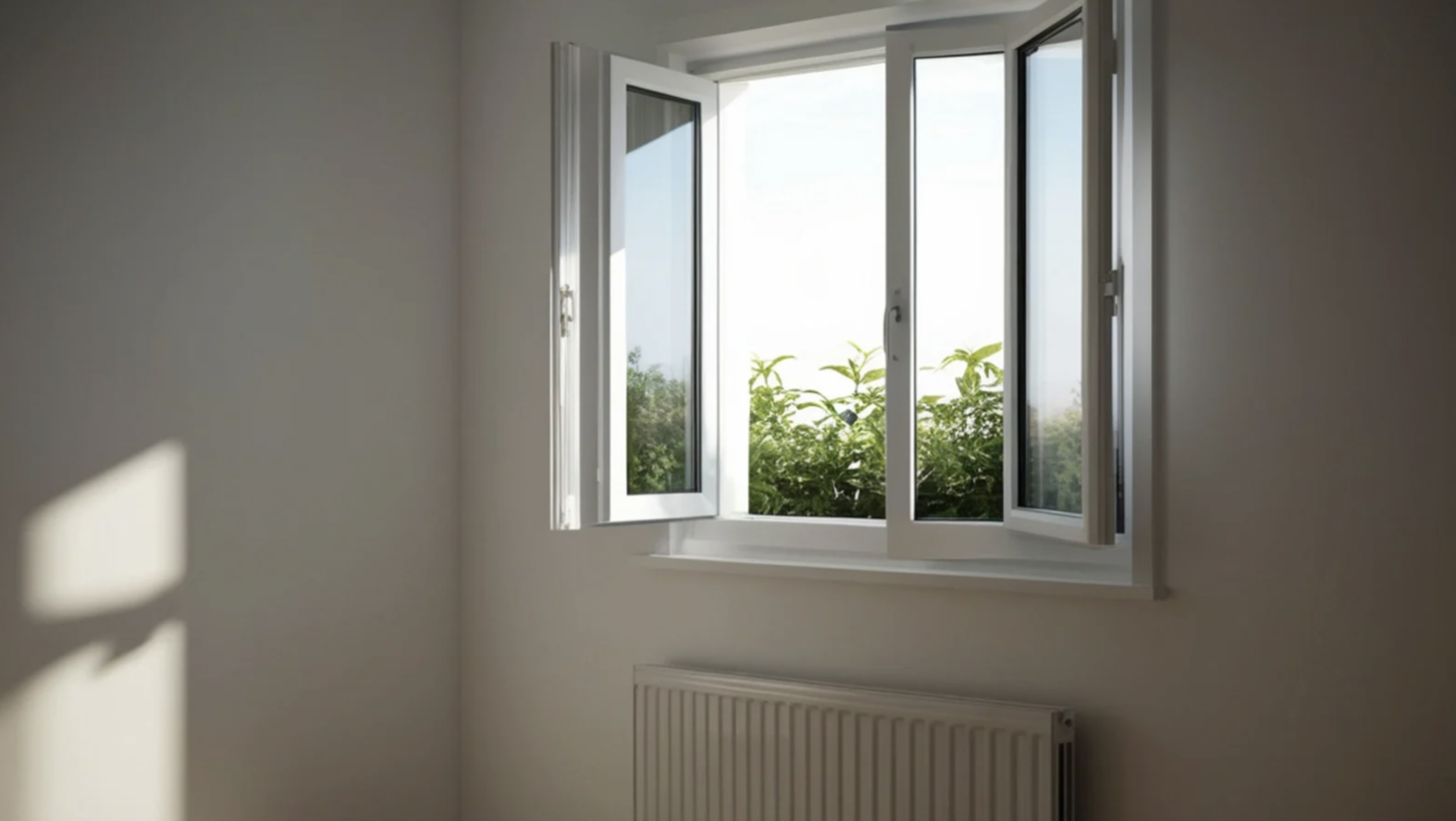
Improve Ventilation: Fresh air circulation is one of the simplest ways to reduce indoor pollution.
- Open windows when weather allows
- Use exhaust fans in kitchens and bathrooms
- Ventilate while cleaning
- Consider using a strong air filter in your home
- Keep air-purifying houseplants around (like the spider plant, snake plant, peace lily, pothos, etc.)
Reduce Synthetic Fragrances: Many scented products release hundreds of chemicals into the air.
Consider:
- Choosing fragrance-free cleaning products
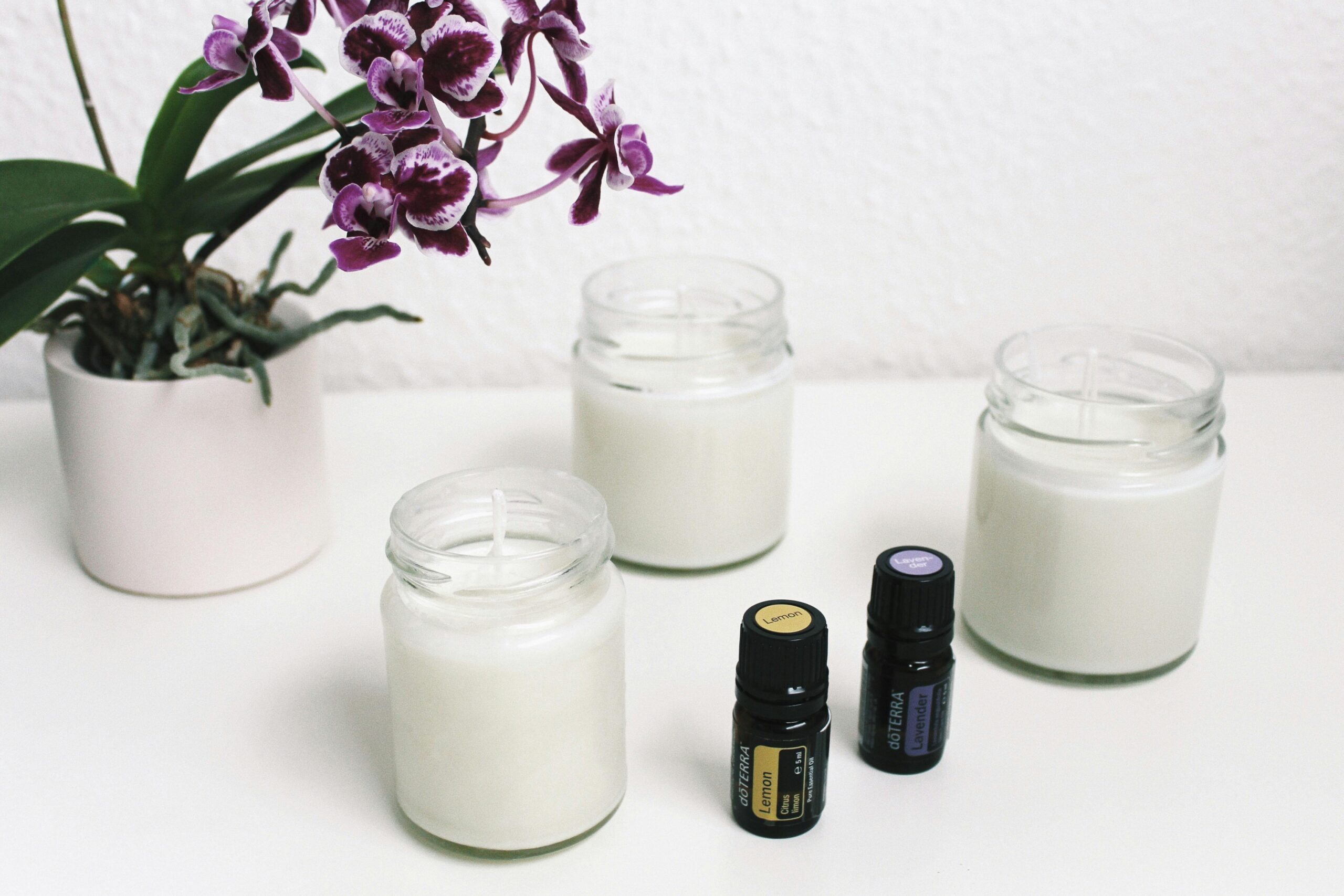
- Avoiding synthetic air fresheners (try an essential oil diffuser instead)
- Using unscented laundry detergents
- Limiting heavily scented candles (look for candles made from beeswax, coconut, or soy and scented with essential oils)
Try to Keep Dust Levels Low: Because many chemicals accumulate in household dust, regular cleaning can help reduce exposure.
- Vacuum regularly (preferably with a HEPA filter)
- Wet dust surfaces instead of dry dusting
- Wash bedding frequently
Choose Lower- Toxicity Products: When replacing household items, consider products designed with healthier indoor environments in mind.
Examples include:
- Low- VOC paints and finishes
- Natural fibers textiles instead of synthetic fabrics
- Natural, unscented cleaning products (TIP: it’s super easy to make your own with Castile soap!)
Protecting our Air = Protecting our health & planet
Clean air is one of the most fundamental elements of a healthy life, yet it is often something we take for granted . By becoming more aware of common sources of indoor pollution and making small changes where possible, we can help create healthier indoor environments for ourselves and our families.
At the same time, protecting the air we breathe requires collective awareness and action. Cleaner energy systems, strong environmental protections, and informed communities are all part of the solution. Curious about the air quality in your city? Check it out here.
Because when we protect our air, we are protecting our health and the health of the planet we share.
View our downloadable Clean Air Quick Guide here.