your clothing choice matters
What you wear every day does more than express your style — it directly impacts your health and the environment. Many modern clothes are made from synthetic, plastic-based fabrics that release harmful chemicals and microplastics into the air, water, and onto our skin.
Making safer, more sustainable clothing choices doesn’t require a full wardrobe overhaul. Small, realistic swaps can protect your body and reduce pollution — without sacrificing comfort or accessibility.
Made by Nature, for Your Body
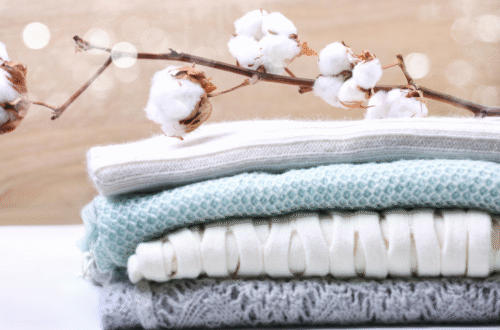
Natural fabrics work with your body, not against it. They’re breathable, durable, and far less likely to expose you to harmful chemicals.
Plant-Based Fibers
Cotton / Organic Cotton
Breathable, biodegradable, and gentle on sensitive skinLinen & Hemp
Naturally antimicrobial and require significantly less waterJute & Bamboo (mechanically processed)
Durable, renewable, and low-impactTENCEL™ / Lyocell
Made from wood cellulose using a closed-loop process with lower environmental impactRecycled natural fibers
Recycled cotton and reclaimed textiles keep materials in circulation instead of becoming waste
Animal-Based Fibers:
Wool, Silk, Alpaca, Cashmere
Natural, non-shedding, temperature-regulating, and long-lasting
(Look for untreated and responsibly sourced options)Leather
Can be sustainable when vegetable-tanned and traceable
⚠️ Most commercial leather is chrome-tanned and chemically coated, which is harmful to people and the planet
Tip: Look for labels that say 100% natural fiber. Synthetic blends often sneak in — but even a mostly natural blend is still better than full synthetic.
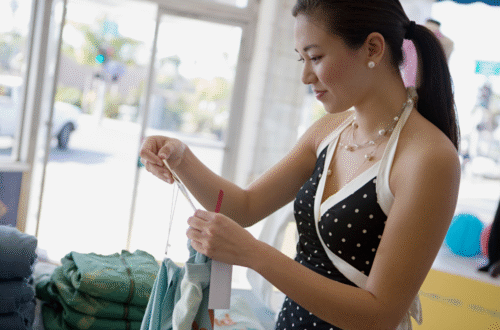
What to Look For When You Shop
Certifications help cut through greenwashing and verify safer materials and processes:
GOTS (Global Organic Textile Standard)
Organic fibers + low-toxin processingOEKO-TEX® STANDARD 100
Tested for harmful substancesBluesign®
Responsible dyeing and manufacturingCradle to Cradle Certified™
Circular, low-impact materialsCertified Organic
No toxic pesticides, dyes, or finishesOrganic Content Standard (OCS)
Verifies organic fiber contentFair Trade Certified™
Focuses on ethical labor and environmental care
Made in the USA often means lower carbon emissions, stricter chemical regulations, and safer labor practices — but it’s still important to check fiber content and certifications.
Healthy Clothing Swaps for You — and the Planet
You don’t need to replace everything at once. Start with the items that sit closest to your skin and wear out the fastest.
Simple Swaps That Make a Big Difference
Nylon socks → organic cotton or merino wool
Brands we love: PACT, IcebreakerSynthetic boxers & briefs → organic cotton or hemp
Brands we love: PACT, Organic Basics, NADSPolyester sports bras & underwear → organic cotton or hemp-based options
Brands we love: PACT, Blue Canoe, Organic BasicsPolyester tees & polos → cotton, bamboo, merino wool, hemp, or TENCEL™
Brands we love: Happy Earth, Tentree, PACT, Jungmaven, Boody, Icebreaker, MATE the LabelSynthetic leggings → organic cotton, bamboo, or TENCEL™ blends
Brands we love: MATE the Label, Happy Earth, Organic Basics, Groceries ApparelStretch jeans → denim with less than 2% elastane or 100% cotton
Brands we love: Levi’s, Boyish Jeans, Outerknown, Patagonia, Everlane, Faherty
Buy Less. Wear Longer. Repair More.
The most sustainable clothing choice is the one you already own. Or, try shopping second hand (pre-loved items hit different). When you do buy something new, choose quality over quantity — pieces that last, feel good on your body, and don’t cost the Earth.
Small swaps add up. And what you wear every day? It matters more than you think.