Your Plate Has Power: Food, Farming & the Health of Our Planet
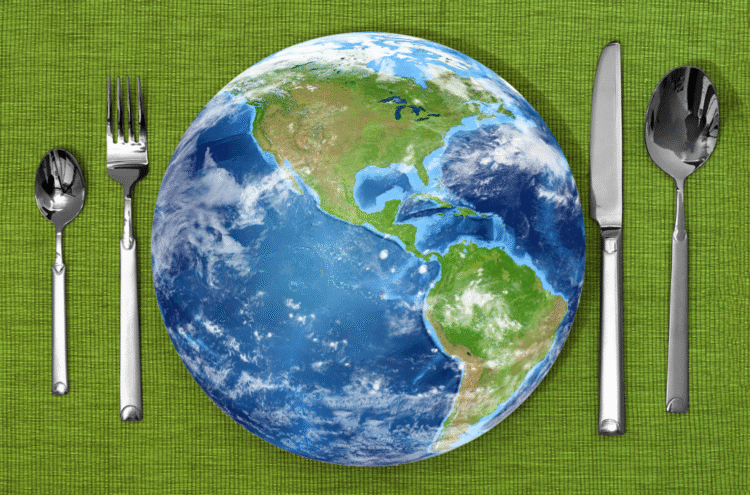
Food connects us to the planet in powerful ways. What we eat shapes our health, our communities, and the ecosystems that sustain life.
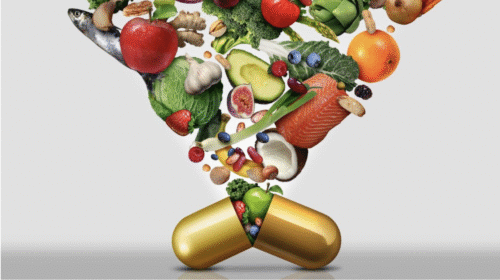
Food can be medicine—but it can also become a chemistry experiment. Ultra-processed foods, pesticide residues, and “forever chemicals” have slowly made their way onto our plates. The good news? Thoughtful food choices can protect both human health and the environment.
A Growing Problem: Pesticides & Industrial Farming
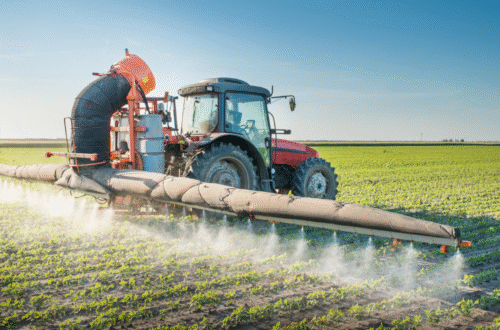
Hundreds of millions of pounds of pesticides are used in the United States every year. These chemicals don’t stop at the edge of farm fields. They drift into our food, water, air, and even our bodies.
Common agricultural chemicals like glyphosate, atrazine, and neonicotinoids have been detected in U.S. water supplies and even in human urine testing. Beyond personal exposure, they place immense stress on ecosystems—especially pollinators that keep our food system alive.
HOW PESTICIDES AFFECT HUMAN HEALTH
Scientific research links pesticide exposure to a wide range of health concerns, including:
Hormone disruption affecting thyroid, fertility, and metabolism
Brain & nervous system effects like headaches, tremors, mood and memory changes
Respiratory irritation, including asthma-like symptoms
Skin & eye irritation such as rashes and burning
Cancer risks (compound-specific), including leukemia, brain, and prostate cancers
Child development impacts, including attention, learning, and IQ challenges
Reproductive health effects, including reduced sperm quality and menstrual irregularities
Pregnancy risks like miscarriage, preterm birth, and low birth weight
Metabolic disruption, increasing insulin resistance and weight gain risk
Liver & kidney stress, impairing detox and filtration systems
Environmental Impacts We Can’t Ignore
Pesticide use doesn’t just affect people—it reshapes entire ecosystems:
Polluted waterways → algal blooms and dead zones
Pollinator decline → bees, butterflies, and beneficial insects disappear
Bird population losses due to insect collapse and toxicity
Fish & amphibian harm, including deformities and hormone disruption
Damaged soil life, weakening long-term food production
Carbon loss, as unhealthy soils store less CO₂
Chemical drift into neighborhoods and natural areas
Resistant “super pests”, leading to even more spraying
Bottom line: fewer toxins mean healthier people, thriving pollinators, cleaner water—and a more resilient planet.
Why Choose Organic When Possible?
Choosing organic is one of the most effective ways to reduce pesticide exposure.
Organic standards mean:
No synthetic pesticides or herbicides like glyphosate or atrazine
No GMOs
No sewage sludge or irradiation
Better animal welfare (no routine antibiotics or growth hormones)
Farming practices that protect soil, water, and pollinators
Understanding Organic Labels
“100% Organic”: all ingredients certified organic
“Organic” (95%+): eligible for the USDA Organic seal
“Made with Organic ___” (70%+): no USDA seal, but still regulated
Packages list their certifying agency (like CCOF or Oregon Tilth)
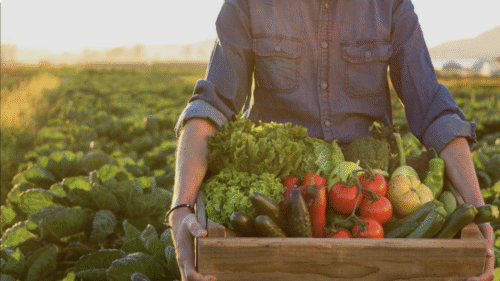
What can we do better?
Progress beats perfection. Every purchase is a vote.
Buy organic when purchasing items on EWG’s Dirty Dozen
Save money by buying conventional for the Clean Fifteen
Prioritize organic for foods eaten most often—especially for kids
- Read ingredient labels—shorter and simpler is better
Buy from local, organic, and regenerative farms when possible
Grow something— start small
Plan meals, cook more at home, waste less, compost leftovers
Support Local: Farmers Markets in Northeast Florida
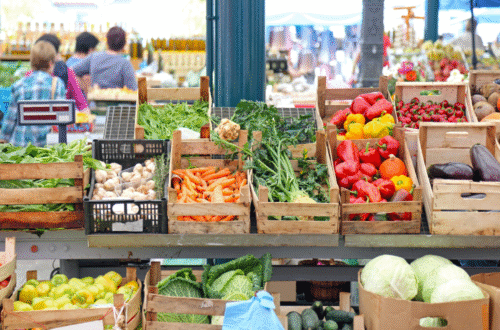
From regenerative beef and pasture-raised eggs to urban farms and aquaponics, our region is full of inspiring food systems:
More Paths to Better Health
Eat More Plants (Even One Day a Week)
Plant-forward meals lower environmental impact while improving heart health, cholesterol, and blood pressure. Meatless Mondays alone can significantly reduce emissions over a year.
Choose Animal Proteins Wisely
- Best bets: sustainably sourced seafood (mussels, sardines, anchovies)
Moderate impact: chicken, eggs, fermented dairy
Highest impact: beef and lamb—keep occasional and source regenerative
Your Plate Has Power 🌎
This month, we challenge you to make one conscious food swap or waste-reduction habit.
Your body and the planet will thank you.