
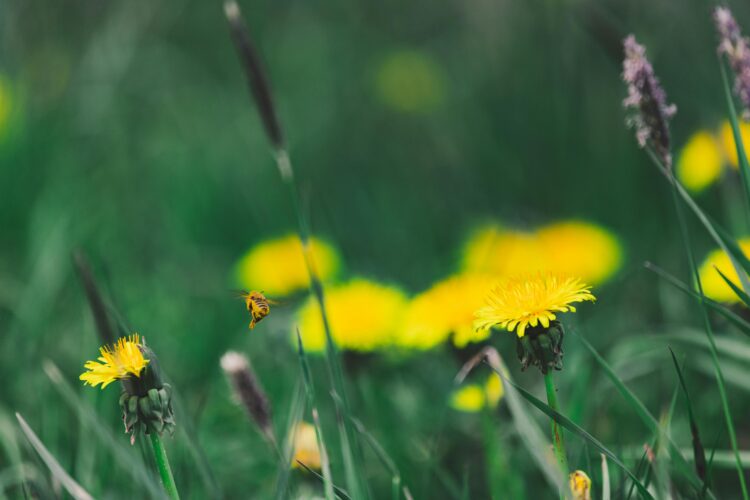
Lawns and gardens aren’t just something we look at—they’re living ecosystems quietly working every day to support our health and environment. Covering tens of millions of acres across the U.S., these everyday green spaces influence soil, water, wildlife, and human health. What we choose to spray, spread, or skip matters more than we think.
how green spaces impact human and environmental health
Healthy landscapes support important pollinators like birds, bees, butterflies, improve soil health, and help filter rainwater before it reaches waterways. You don’t need constant spraying, trimming, and fertilizing to have a thriving yard. A balanced, nontoxic landscape benefits everyone— people, pets, wildlife, and the planet.
Green spaces:
- Improve air quality and help cool our neighborhoods
- Slow and filter rainwater, trapping pollutants before they wash into local waterways
- Increase biodiversity by providing habitat, food sources, and healthy soil
- Support pollinators, birds, and beneficial insects
- Reduce stress and support mental well-being
- Encourage movement, connection, and time outdoors
the problem with pesticides, herbicides, and chemical lawn care
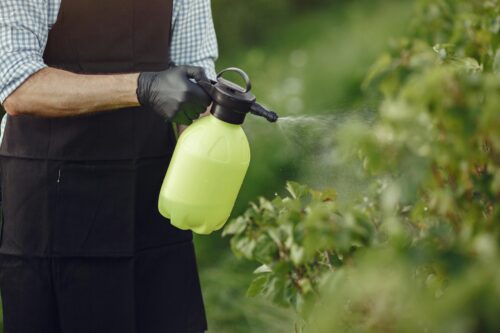
Many conventional lawn and garden products rely on pesticides, weed killers, and synthetic fertilizers designed to eliminate anything deemed “undesirable.” Over time, repeated use creates a cycle of exposure that affects both environmental and human health.
When sprayed, these chemicals don’t stay put.
They can:
- Drift through the air and runoff into storm drains and waterways
- Disrupt pollinators and soil life essential for healthy ecosystems
- Be tracked indoors on shoes and paws
- Increase health risks for children and pets who spend time close to the ground
Human health concerns include:
- Neurological effects (headaches, dizziness, nausea)
- Nervous system irritation
- Developmental and behavioral concerns in developing children
- Hormonal disruption (affect metabolic and reproductive health)
- Respiratory and skin irritation
- Increased risk of cancer
What about artificial turf?
While this alternative reduces the need for pesticides, it introduces other concerns: it’s plastic-based, often chemically treated, uses recycled tire infill, and can reach extreme temperatures in summer. Not exactly a risk-free solution.
When you stop spraying, positive changes follow
See the benefits of reducing chemical use:
- Soil comes back to life with microbes, fungi, and earthworms
- Plants develop deeper roots and stronger natural defenses
- Waterways stay cleaner after rainfall
- Birds, frogs, and pollinators return
- Exposure risks for people and pets drop significantly
- Maintenance costs often go down, not up
Creating a healthier landscape doesn’t require perfection—just a few intentional shifts.
Embrace these natural alternatives:
- Mulch to suppress weeds and retain moisture
- Natural pest deterrents like garlic sprays, neem oil, or companion planting
- Compost, worm castings, or organic soil
- Native plants that thrive naturally in your region
- Replacing sections of grass with clover, native ground covers, or garden beds
- And if you’ve ever thought about growing food — start small. Herbs, leafy greens, or tomatoes in a pot are great first steps.
Make your own natural, nontoxic pesticidal spray!
Ingredients:
- 4 cups water
- 1-2 teaspoons liquid castile soap (unscented)
- 1 teaspoon olive oil
- Optional add-ons: Garlic (1-2 crushed cloves steeped in warm water- strain before spraying), Essential oils (2-3 drops peppermint or rosemary)
Gently swirl to combine and SPOT TREAT only.
A new way to think about Landscapes
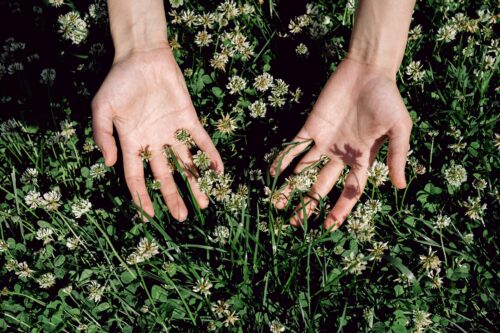
A healthy yard doesn’t need to look like a golf course.
When we choose cleaner, more natural approaches to lawn and garden care, we protect our health, our pets, wildlife, waterways, and the planet we all share. Our everyday choices shape the future of our neighborhoods, ecosystems, and communities.
Don’t underestimate the power of the green spaces that surround us.