The Hidden Truth About “Fragrance” in Everyday Products
Take a look at the ingredient list on your shampoo, lotion, or detergent. Chances are you’ll see one vague word repeated again and again: fragrance.
What most people don’t realize is that “fragrance” isn’t a single ingredient—it can be a mixture of thousands of chemicals. Under U.S. law, manufacturers are not required to disclose these ingredients, claiming they are trade secrets .
Ask yourself this: Would you trust a perfume made with 3,000 unknown ingredients?
Probably not. Yet many of us unknowingly use products like this every single day.
Here’s why it matters—for both human health and the planet.

Harmful Chemicals Commonly Hidden Under “Fragrance”
Phthalates
- Harm to you:
Phthalates are hormone disruptors linked to reproductive harm, birth defects, and increased cancer risk. - Harm to the planet:
They contaminate air, soil, and water—and can even be harmful to pets if ingested.
Parabens
- Harm to you:
Parabens mimic estrogen in the body and have been linked to reproductive issues and allergic reactions. - Harm to the planet:
They persist in water systems, contributing to long-term water contamination.
Benzyl Benzoate
- Harm to you:
Known to cause skin irritation and allergic reactions in sensitive individuals. - Harm to the planet:
Toxic to aquatic organisms and harmful to fragile ecosystems.
Butylphenyl Methylpropional
- Harm to you:
Toxic to the reproductive system and classified as a skin allergen and endocrine disruptor. - Harm to the planet: Contaminates wastewater and is toxic to aquatic life.
Where “Fragrance” Is Commonly Found
Fragrance isn’t just in perfume. It shows up in many everyday products, including:
Shampoo & hair gel
Shaving cream
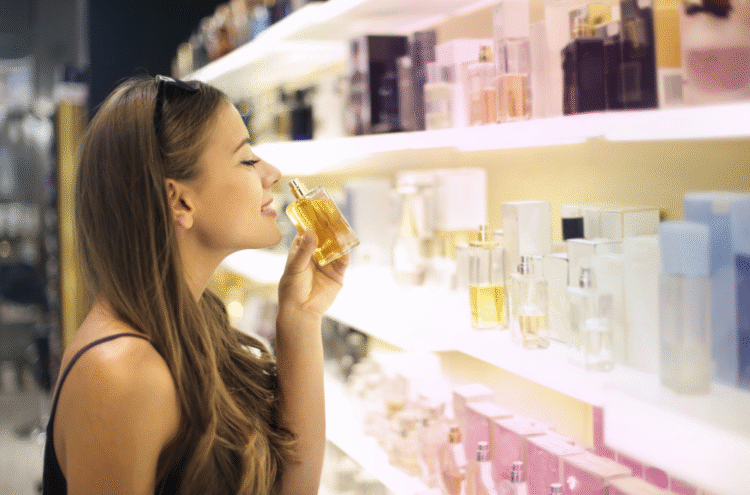
Perfume & cologne
Body wash & deodorant
Lotion & sunscreen
Candles
Baby wipes
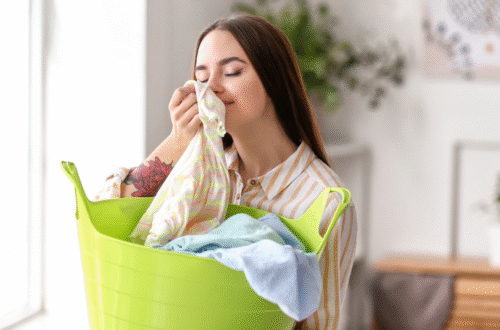
Laundry detergents
Household cleaners
In other words—it’s everywhere.
CLICK HERE to learn more about toxins in everyday personal care products.
Choosing Safer Alternatives
(Without Giving Up Pleasant Scents)
We’re not saying you need to eliminate good smells from your life. The goal is mindfulness and transparency, not perfection.
Here are some practical ways to reduce exposure:
What to Look For
“Fragrance-free”, not just “unscented”
Fragrance-free means no scenting ingredients were added.
Unscented products may still contain fragrance chemicals used to mask odors.
Labels that say “Phthalate-free” and “Paraben-free”
Brands that fully disclose all ingredients
Smarter Scent Choices
Choose products lightly scented with essential oils
(Be aware: some essential oils can be toxic to pets.)Use an oil diffuser instead of synthetic air fresheners
Make simple DIY swaps, like cleaning solutions with vinegar, water, and mild dish soap
Create your own natural perfumes using essential oils

Less Is More
On average:
Women use 12 personal care products per day, exposing themselves to 168 chemicals
Men use about 6 products per day, exposed to 85 chemicals
Reducing the number of products you use—while choosing cleaner alternatives—can significantly lower your overall chemical exposure. Start with the essentials and make swaps gradually.
Non-Toxic Brands We Love
Household Cleaners
Fragrance for Your Home
Personal Care
By choosing fragrance-free or transparently scented products, you’re protecting your health, your family, your pets, and our planet—one small swap at a time 💚