We’re bombarded with a lot of bad news these days, but at Beaches Go Green, we believe in celebrating the small wins. As 2025 comes to a close, we’re highlighting local and national victories that protect the people and places we love in Northeast Florida and beyond.
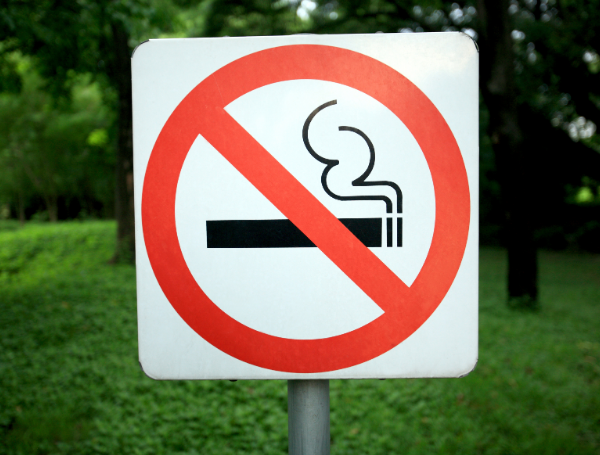
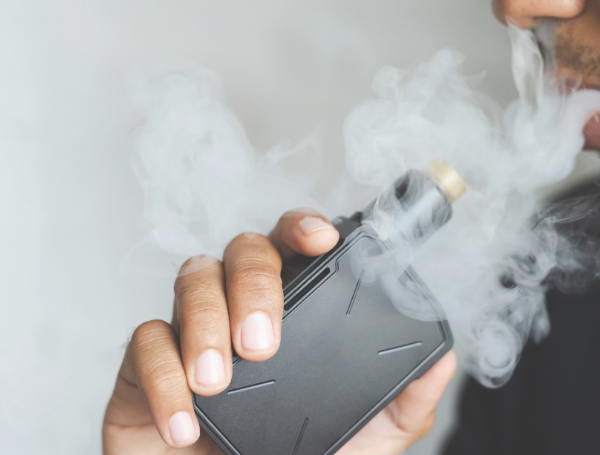
1). Jacksonville Beach banned smoking and vaping on its sand
On May 5th, the Jacksonville Beach City Council passed an ordinance banning smoking and vaping on the Atlantic Ocean beach. Violators may face fines of up to $250.
This is a big win for cleaner beaches, healthier air, and fewer cigarette butts in the sand — butts are the most littered item in the world.
2). St. Johns County expanded its smoke-free rules for parks & beaches
On December 2nd, St Johns County Board of Commissioners voted to prohibit smoking and vaping within 600 ft of the Atlantic shoreline and county parks. Citizens and students advocated for this ban to keep toxic litter and secondhand smoke out of natural spaces meant for people to enjoy.
3). St. Johns County created a conservation/open-space impact fee
In December, SJC approved a new conservation and open-space impact fee to help fund land protection as the county rapidly grows.
This ensures development helps pay for preserving wildlife habitat, green space, and natural passageways — not just roads and buildings.
4). Local grocery stores designated Blue Zones healthy living partners
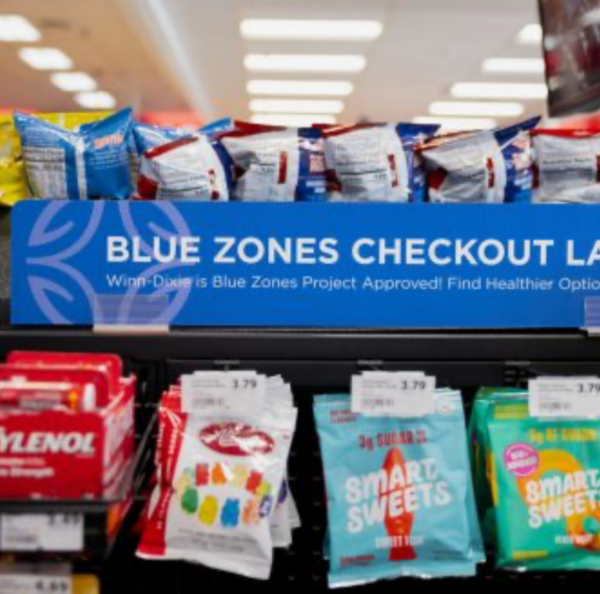
This year, three Winn-Dixie stores in Jacksonville were named Blue Zones Project approved.
Blue Zones Project promotes healthier living practices in grocery stores & beyond. Efforts include replacing artificial candy in checkout lines with a cleaner selection, adding signage to help shoppers make healthier swaps, and promoting habits for employees & costumers that support long-term health.
5). NATIONWIDE WIN: Red Dye No. 3 banned!
On January 15th, the FDA officially revoked the use of FD&C Red No. 3 in foods and ingestible drugs nationwide.
Evidence linking this dye to cancer triggered the repeal of its authorization. Manufacturers must remove the dye from foods by January 15, 2027, and from ingestible drugs by January 18, 2028. This is a major step toward reducing potentially harmful additives in our food supply.