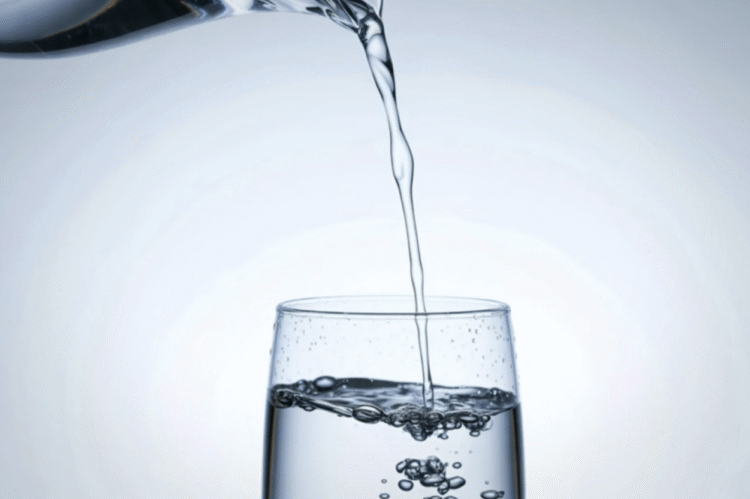
Water is essential to life. It fuels our bodies, supports digestion, regulates temperature, and helps transport nutrients and toxins throughout the body. Beyond our personal health, water connects us to our environment—flowing through ecosystems, communities, and infrastructure before it ever reaches our glass.
The average person in the United States uses about 80–100 gallons of water per day, from drinking and cooking to bathing, laundry, and cleaning. With water touching nearly every aspect of daily life, the quality of that water truly matters.
Tap Water: Regulated, But Not Contaminant-Free
Public tap water in the U.S. is highly regulated by the Environmental Protection Agency (EPA) and treated to meet federal safety standards. That’s an important baseline and a major public health achievement. However, legally safe ≠ free of contaminants.
Many chemicals and pollutants are legally allowed in small amounts. While these levels may be considered safe individually, small daily exposures from our water can add up over time, especially for children, pregnant women, and those with compromised immune systems.
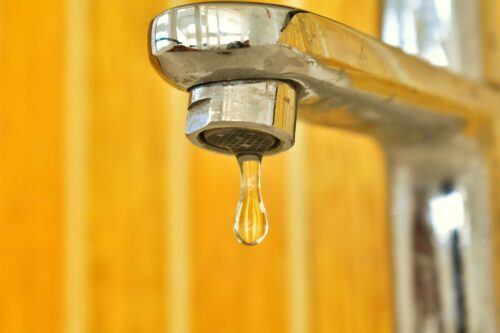
Common Contaminants Found in Tap Water
Tap water contamination can occur at many points—from the source water and human activity, to aging pipes in our homes. Some of the most commonly detected contaminants include:
Heavy Metals (lead, copper)
How they get there: Aging pipes, plumbing fixtures, and service lines
Concerns: Neurodevelopmental issues in children, kidney damage, reproductive harm
Chlorine & Chloramine
How they get there: Added intentionally to disinfect water
Concerns: Skin and eye irritation, respiratory issues, and formation of disinfection byproducts
PFAS- “Forever Chemicals”
How they get there: Industrial runoff, firefighting foam, consumer products
Concerns: Hormone disruption, immune suppression, increased cancer risk
* PFAS testing in public drinking water is relatively new. Many water utilities only began monitoring for certain PFAS compounds in recent years through expanded federal testing programs, and routine testing is still evolving.*
Pesticides & Herbicides
How they get there: Agricultural runoff and landscaping practices
Concerns: Endocrine disruption, reproductive and neurological effects
*While some pesticides and herbicides are regulated and may be tested for, many are not routinely monitored in public drinking water unless there is a known local risk.*
Nitrates (Especially a concern for private well owners)
How they get there: Fertilizers, septic systems, animal waste
Concerns: Especially dangerous for infants; linked to “blue baby syndrome”
Pharmaceutical Residues
How they get there: Improper disposal, wastewater recycling
Concerns: Hormonal and ecological impacts, antibiotic resistance
*Commonly detected in research, biologically active at low doses, and largely unregulated in drinking water*
Not all contaminants of concern are routinely tested for in public drinking water. Some substances are monitored regularly due to existing regulations, while others—despite known environmental and health concerns—are only tested for under special programs or research studies.
why this matters beyond our glass
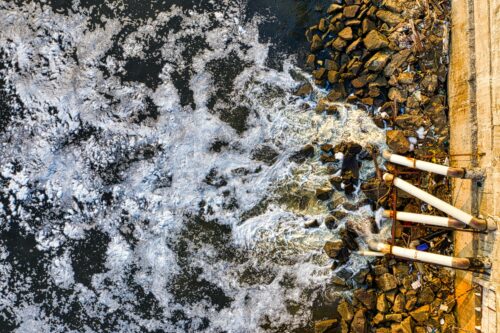
Many of the contaminants found in tap water are persistent, meaning they don’t easily break down once released into the environment. Instead, they can accumulate in rivers, lakes, groundwater, and sediments—impacting aquatic ecosystems and wildlife. Fish and other aquatic species are especially vulnerable, with exposure linked to hormone disruption, impaired reproduction, and weakened immune systems, which can ripple through entire food webs.
Most contamination happens at a systemic level, through industrial discharge, agricultural runoff, wastewater treatment limitations, and widespread use of chemical-heavy products. Individuals are not solely responsible for these pollutants—but human behavior still matters, especially when small actions are multiplied across communities.
Simple, mindful choices can help reduce the burden on our water sources:
- Properly disposing of medications
- Limiting pesticide and herbicide use
- Choosing products with fewer persistent chemicals
- Reducing plastic use
- Supporting policies and initiatives that protect source water and improve treatment systems
While no single action is a complete solution, informed choices, combined with systemic change, play an important role in protecting both our health and the environment.
Know Your Water: Check Local Quality Reports
One of the most empowering steps you can take is simply learning what’s in your water. Every public utility is required to publish an annual Consumer Confidence Report (CCR).
If you live in Northeast Florida, you can review local reports here:
These reports list detected contaminants, their levels, and how they compare to legal limits. Understanding this information helps you make informed decisions about filtration and protection.
Another great resource is EWG’s Tap Water database to evaluate water quality in your zip code.
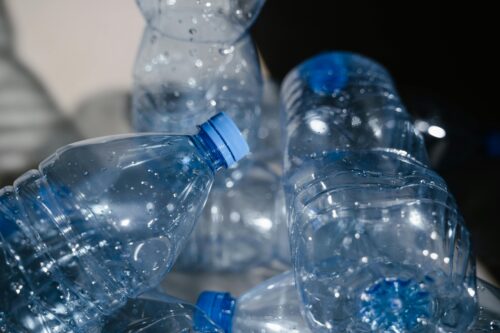
A Note on bottled water...
Over 100 million single-use plastic bottles are sold each day in the U.S. Bottled water is often marketed as cleaner and safer, but that’s not always the case. Plus, this “convenience” comes at a HUGE cost to both humans and the environment:
- Bottled water is actually less regulated than municipal tap water
- It can cost hundreds to thousands of times more per gallon
- Studies consistently find microplastics in bottled water, often at higher levels than tap
- Reusing a plastic bottle can actually increase the chemicals and microplastics within the water as the material starts to degrade
- Single-use bottles are used on average for 10-20 minutes, and then take 450 years to break into microplastics
Bottled water is far from the best option for your health and the planet. But, the good news is you have better options.
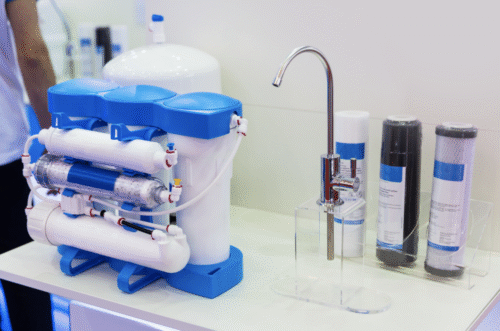
Filtration: Effective, Accessible Solutions
Home water filtration is one of the most effective ways to reduce contaminants and it doesn’t have to break the bank. Let’s get into a few options:
1.Reverse Osmosis (RO) Systems (Aquatru, Cloud)
Pros:
Removes 90–99% of contaminants
Highly effective against PFAS, heavy metals, nitrates, fluoride, and more
- Available as a countertop system or can be installed
- Higher upfront cost
- Produces wastewater
May require remineralization
Best for: Households that want maximum contaminant removal
2. Carbon Filters (Under-Sink or Countertop) (Rorra, Clearly Filtered Under-Sink System)
Pros:
Reduces many contaminants like chlorine, heavy metals, VOCs, pesticides, and some PFAS (effectiveness depends on brand and certifications)
Improves taste and odor
Easy to install
Considerations:
Does not remove all dissolved solids or nitrates
Best for: Everyday improvement with moderate cost
3. Water Pitchers with Advanced Filtration (Lifestraw, Clearly Filtered)
Pros:
Reduces chlorine, some heavy metals, VOCs, and PFAS (varies by model)
No installation required
Considerations:
Limited contaminant removal compared to RO
Best for: Renters, small households, and those starting out
Small steps towards better water
Clean, safe water is foundational to both personal and environmental health. While no system is perfect, every step toward reducing exposure matters. Whether that’s learning what’s in your local water, switching to a reusable bottle, or investing in a filtration system that fits your budget—these choices add up.
At Beaches Go Green, we believe people deserve access to clear, honest information and practical solutions. When it comes to water, you are not powerless, and cleaner water is closer than you think.
Check out our downloadable CLEAN WATER Quick Guide 💧
WATCH: For a deeper dive, click here to watch our Water & Hydration video.