Most of us think about how we look in our clothing or the trendiness factor, but rarely pay attention to the details of the fabric.
What if your favorite shirt, leggings and underwear were quietly polluting your body & the planet?
From oil to outfit...
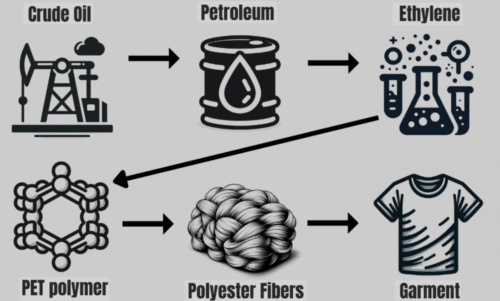
Over 60% of clothing today is made from synthetic fabrics derived from fossil fuels- the same raw materials used to make gasoline for cars. These plastic-based fibers are valued for their low cost and performance features, but their origins are often overlooked. Some of the most common include:
POLYESTER: Cheap, durable, wrinkle & moisture resistant. Found in underwear/bras, t-shirts, leggings, athletic wear, swimwear.
NYLON: Stretchy, lightweight, water-resistant. Common in swimwear, outerwear, lingerie, hosiery & tights.
ACRYLIC: Lightweight, wool-like, warm, easy care. Often found in sweaters, hats, gloves.
SPANDEX/ ELASTANE: Stretchy, lightweight, soft & form fitting. Found in leggings, undergarments, socks, and blended fabrics.
what these fabrics mean for your health
Synthetic materials have become the norm because they’re affordable, durable, and convenient. But convenience comes with trade-offs—and the potential impact on both human health and the environment deserves a closer look.
HUMAN HEALTH IMPACT:
Many of these fabrics contain chemical additives like antimicrobials, flame retardants, PFAS, BPA, phthalates, and formaldehyde. Heat, friction, and sweat can increase the release of these chemicals from fabrics, raising the potential for exposure. Once released, they may be absorbed through the skin, or inhaled/ingested via household dust.
This can lead to hormone disruption, skin & respiratory irritation, and increased risk of certain cancers. While exposure levels vary, clothing represents a frequent and often overlooked source of contact with these chemicals.
ENVIRONMENTAL IMPACT:
The fashion industry ranks among the top polluters globally. Producing synthetic fabrics is energy-intensive and relies heavily on fossil fuels, contributing significantly to greenhouse gas emissions. These materials are non-biodegradable and are rarely recycled at scale.
In addition, synthetics shed hundreds of thousands of microfibers during EVERY wash, contributing to pollution in the water, air and soil. Their tiny size makes these fibers difficult for wastewater treatment facilities to capture, so they often persist in the environment.

the primary pathways into our bodies
Ingestion is a major way that we are polluted by synthetic fibers and their chemicals. Microfibers/microplastics can be found in our food and water, where the plastic chemicals bioaccumulate. The fibers & chemicals are known to irritate the digestive tract, sparking inflammation and irritation.
Airborne microfibers can be inhaled and accumulate in our respiratory tract and lungs. Inflammation associated with these synthetic fibers has been linked to increased risk of asthma, bronchitis, chronic respiratory disease and even certain lung cancers.
The long-term effects of microplastic exposure are still being studied, but there is growing concern over the prevalence of these synthetic materials in our lives – especially since they are now found virtually everywhere— our clothing, air, food, water, etc.
Your skin is your largest organ, and it's absorbing what you wear.

Be kind to your skin. It works around the clock as a protective barrier and plays a role in eliminating toxins from the body. What you put directly against it matters.
Small changes = BIG impact!
Read labels & audit your wardrobe!
Embrace natural fabrics like organic cotton, organic hemp, linen, bamboo, wool, or silk.
Look for certifications like Organic, OEKO-TEX, GOTS, Cradle to Cradle & bluesign certified.
If you can’t go plastic free, choose items made with LESS synthetic material.
Purge some of your worst wardrobe offenders like 100% synthetics, old synthetics, or smelly synthetics.
Use a Guppyfriend bag to reduce microplastic pollution when doing laundry.
Check out these low-tox brands that better support your health and the planet:
At BGG, we believe awareness is the first step toward healthier choices 🌎.