Sunscreen: What to Know Before You Apply
Sunscreen is a hot topic every summer—and for good reason. With misleading labels, greenwashing, hard‑to‑pronounce ingredients, and tons of conflicting advice, choosing a sunscreen that’s actually safe can feel overwhelming.
At Beaches Go Green, we’ve gone down the sunscreen rabbit hole so you don’t have to. Here’s what you need to know to protect your body and our oceans.

The Big Toxins to Avoid
Many popular sunscreens rely on chemical UV filters that can harm human health and marine ecosystems. Keep an eye out for these common offenders:
Oxybenzone
Harm to you:
Well-known allergen
May disrupt estrogen and testosterone
Harm to the planet:
Causes DNA damage in coral
Contributes to coral bleaching and deformities
Octinoxate
Harm to you:
Can mimic estrogen in the body
Skin irritant
Linked to premature skin aging
Harm to the planet:
Contaminates waterways
Bioaccumulates in fish, impacting reproduction
Contributes to coral bleaching
Homosalate
Harm to you:
Can mimic estrogen in the body
Harm to the planet:
Toxic to coral reefs
Octocrylene
Harm to you:
Degrades into benzophenone, a skin irritant
Harm to the planet:
Accumulates in coral tissue
Damages coral DNA
Parabens & Fragrances
Harm to you:
Skin irritants
Endocrine (hormone) disruptors
Harm to the planet:
Contaminate water and soil
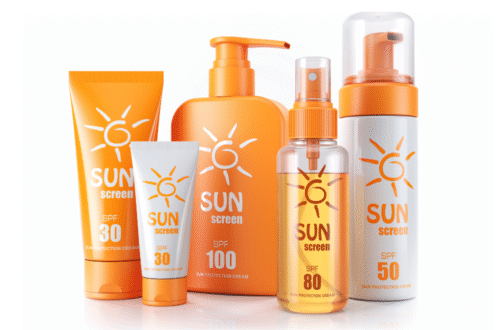
Chemical vs. Mineral Sunscreen: What’s the Difference?
Chemical sunscreens work by absorbing UV radiation and converting it into heat. Many of these chemicals can disrupt hormones and persist in the environment.
Mineral sunscreens (like non‑nano zinc oxide) reflect UV rays away from your skin. They’re widely considered safer for both human health and marine life.
Worst Offenders
These popular brands often contain chemical UV filters that raise red flags:
Banana Boat
Hawaiian Tropic
Sun Bum
Coppertone
Neutrogena
Better Options
If you’re looking for cleaner, more ocean‑friendly alternatives, check out:
What to Choose Instead
Mineral‑Based, Non‑Nano Sunscreens
Look for sunscreens made with non‑nano zinc oxide (or titanium dioxide). These minerals sit on top of your skin and physically block UV rays instead of absorbing them.
Mineral sunscreens tend to be thicker—that’s a good thing! That texture means they’re forming a protective barrier rather than soaking into your body or washing straight into the ocean.
Physical Sun Protection
Sunscreen isn’t your only line of defense. Whenever possible, layer protection with:
Shade or umbrellas
Sunglasses and wide‑brim hats
Cotton shirts or UPF‑rated sun shirts
Is It Really “Reef‑Safe”?
You’ve probably seen terms like “Reef‑Safe” or “Reef‑Friendly” splashed across sunscreen bottles. Unfortunately, these labels are completely unregulated—and often just greenwashing. (Want to learn more about greenwashing? Check out our Quick Guide HERE.)
Many products using these buzzwords still contain chemicals known to harm coral reefs and marine life and impact human health, including:
Oxybenzone
Avobenzone
Homosalate
Octinoxate
Octisalate
Octocrylene
Nanoparticles

Your sunscreen choice matters—for you, and for our oceans.
Read labels like a detective. Don’t rely on marketing claims alone.
When you vote with your dollar and support brands that are transparent and truly clean, you help protect your health and the ecosystems we love.
For more tips on how to detox your beach bag, CLICK HERE to view our Quick Guide.