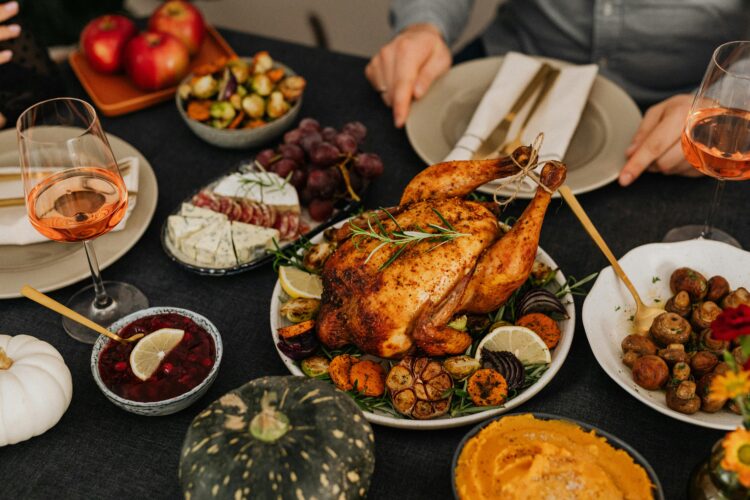
Thanksgiving is about abundance, but that abundance sometimes comes at a cost. When we zoom out, the holiday reveals a surprising environmental impact—one shaped by how we produce, consume, and dispose.
The Hidden footprint of thanksgiving
Over 300 million pounds of food are wasted every Thanksgiving — and the biggest culprit? Turkey. Sad, but true.
Waste by the numbers:
$500 million in groceries trashed in a single day.
105 billion gallons of water wasted (enough to supply every home in Florida for months).
8.2 million whole turkeys tossed.
58% of all Thanksgiving waste comes from turkey and dairy.
70% of that food rots in landfills, releasing methane.
The average meal travels 1,500 miles before it even hits your plate.
This isn’t about guilt—it’s about getting smarter with our resources.
Enjoy the feast, love the leftovers, and show gratitude for the planet that gives us SO much!
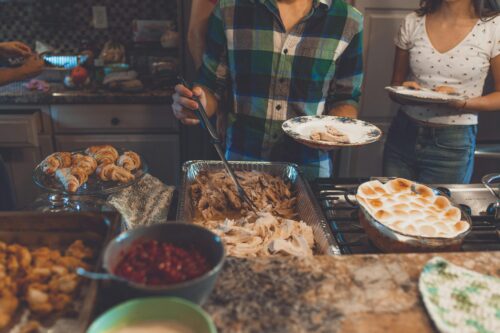
Green your holiday: practical tips for a more sustainable thanksgiving
PLAN YOUR MEALS—buy only what you need! Calculate portions to cut waste.
Choose local and organic when possible to reduce your carbon and chemical footprint.
Have a plan for leftovers. Bring your own reusable takeout container or provide paper or aluminum to-go boxes.
Compost food scraps. Even if you don’t compost at home, check out local drop-off or pickup services.
Ideally, throwing food in the trash should be a last resort.
Donate excess leftovers to Mission House in Jacksonville Beach, OR look up local food pantries in your area here: https://feedingnefl.org/find-food-now/.
Reduce your footprint— support local
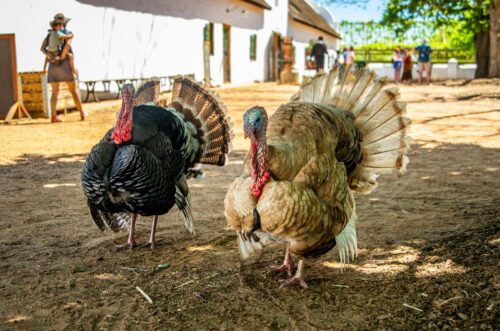
Consider buying your turkey from a Florida farm. These turkeys may cost more than conventional ones, but the investment supports humane, local, and environmentally-friendly farming.
Pastured Life Farm (O’Brien, FL- North Central Florida): GMO-free, pasture-raised chicken, eggs, and turkey. Pickup locations available. RESERVE early!
Humble Nature Farm (Lake City, FL): Pasture-raised, non-GMO, farm-to-table practices. Local pickup options available. RESERVE early!
Charley’s Chicks (Jacksonville, FL): Fresh (never frozen), pasture-raised, non-GMO turkeys. Pick-up dates available before Thanksgiving. RESERVE early!
🌎 Knowledge is power. Click here to learn more about food waste’s impact on the planet.