Think Twice Before That Sports Drink:
Healthier Hydration for Florida Summers
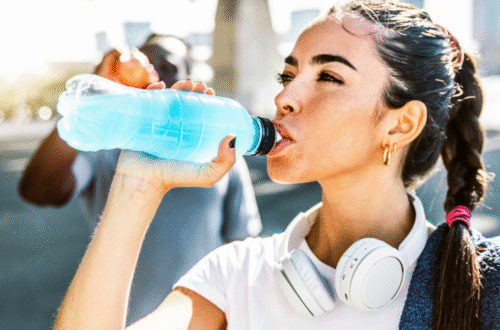
Florida summer heat is no joke. When temperatures soar and humidity sticks around, staying hydrated isn’t optional—it’s essential. But before you reach for a brightly colored sports drink in a plastic bottle, you may want to take a closer look at what’s actually inside.
Many popular hydration beverages promise energy, electrolytes, and performance. What they don’t advertise as loudly are the synthetic chemicals that can negatively impact both your health and the environment.
At Beaches Go Green, we believe hydration should support your body and protect the planet. Here’s what you need to know.
The Chemicals You Didn’t Sign Up For
If your drink is neon blue, red, or yellow, chances are those colors didn’t come from nature. Many well-known sports drinks contain a mix of artificial dyes, flavors, sweeteners, and preservatives that raise concerns for long-term health and environmental safety.
Artificial Dyes: Red 40, Yellow, 5, Blue 1 (Petroleum-Derived)
HARM TO HUMANS:
Linked to hyperactivity in children
Possible immune dysfunction
Allergic reactions and sensitivities
HARM TO THE ENVIRONMENT:
Toxic runoff from dye manufacturing can contaminate waterways and ecosystems
Artificial & “Natural” Flavors
(Yes—natural flavors can still be chemically processed.)
HARM TO HUMANS:
May interfere with gut–brain signaling
Can contribute to digestive and neurological issues
HARM TO THE ENVIRONMENT:
Synthetic flavor production creates harmful chemical byproducts
High-Fructose Corn Syrup
HARM TO HUMANS:
Increased risk of obesity
Type 2 diabetes
Heart disease
HARM TO THE ENVIRONMENT:
Agricultural runoff contributes to toxic algal blooms in waterways
Preservatives (Sodium Benzoate, Potassium Sorbate)
HARM TO HUMANS:
Can disrupt gut microbiome balance
May weaken immune function
HARM TO THE ENVIRONMENT:
Disrupts microbial life in soil and water systems

Not So Kid-Friendly After All
Bright colors and sweet flavors aren’t accidental—they’re intentionally marketed to children. Unfortunately, kids are also more vulnerable to the effects of synthetic dyes like Red 40 and Yellow 5.
Many of these dyes have already been banned in other countries, though they remain legal in the U.S. Recently, the U.S. banned Red Dye No. 3 due to cancer risk, with the phase-out set to complete by January 2027.
Research has linked artificial dyes to behavioral concerns in children, including:
Difficulty concentrating
Impaired memory
Hyperactivity
Hydration shouldn’t come at the cost of a child’s health.
Recharge Right: Better Hydration Choices
Sports drinks can help replace fluids after intense physical activity—but they’re not meant for everyday hydration. For long-term health and environmental sustainability, there are cleaner options that work just as well (if not better).
Better alternatives include:
Filtered or reverse-osmosis water
Organic coconut water
Fresh orange juice (in moderation)
Chocolate milk (effective post-workout, but high in sugar)
Even better? Make your own.
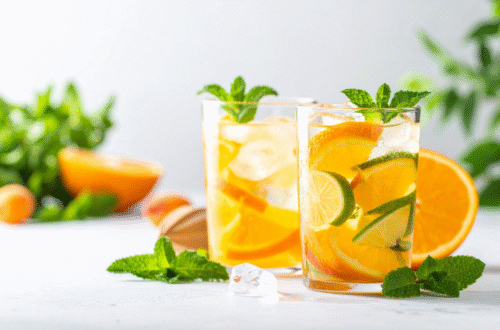
DIY Hydration Recipes You Can Make at Home
Citrus Electrolyte Drink 🍊🍋
Ingredients:
2 cups filtered water
Pinch of sea salt (natural electrolytes)
1 tablespoon raw honey or maple syrup
Juice of ½ lemon and ½ orange
Optional: mineral drops or a splash of coconut water
Berry Coconut Hydration 🫐🥥
Ingredients:
1 cup coconut water
1 cup water
Handful of frozen berries (blend and strain if desired)
Juice of 1 lemon
1 teaspoon honey
Hydrate Smarter—for Yourself and the Planet
Hydration should support your energy, protect your health, and minimize harm to the environment. By choosing cleaner drinks and skipping synthetic additives, you’re taking a small but powerful step toward a healthier future—for you, your kids, and Florida’s ecosystems.