Back-to-School Without the Waste:
Why Shopping Less Matters More
Are you feeling pressured to buy, buy, buy new clothes and supplies for back to school? You’re not alone. High-pressure shopping seasons push the idea that everything needs to be brand new — but at Beaches Go Green, we encourage you to pause, rethink what’s truly needed, and consider the real cost of overconsumption, especially when it comes to “cheap” clothing.
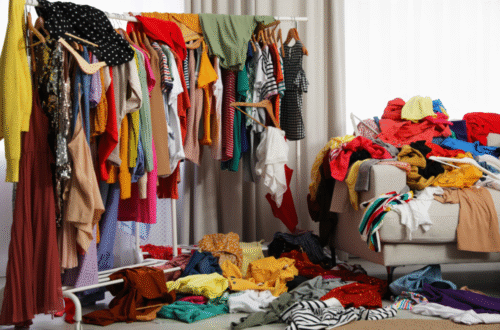
think before you shop
The fashion industry thrives on fast-changing trends — sometimes weekly or even daily — designed to keep consumers buying more. Back-to-school season is one of the biggest drivers of this cycle. While sales and “deals” might seem like a win, they often come with hidden costs to human health, the environment, and workers worldwide.
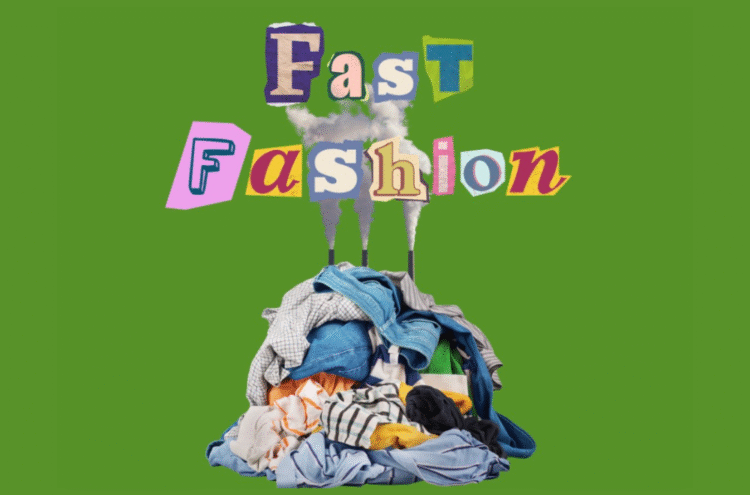
This system is known as fast fashion.
wHAT IS FAST FASHION?
Fast fashion is the rapid production of trendy, low-quality clothing using cheap materials and inexpensive labor. From start to finish, the fast fashion industry maintains a toxic lifecycle that impacts our planet and people at every stage.
The Environmental Impact
Production
Uses massive amounts of water and pesticides to grow and process materials
Pollutes waterways — including sources of drinking water
Accounts for up to 35% of microplastic pollution in the ocean
Responsible for up to 10% of global greenhouse gas emissions
Materials
Over 60% of clothing today is made from synthetic, plastic-based fibers like polyester, nylon, acrylic, and elastane
Many garments contain harmful chemicals, including:
PFAS (stain & water resistance)
Formaldehyde (wrinkle resistance)
AZO dyes (bright colors)
Heavy metals like chromium, copper, and lead
Disposal
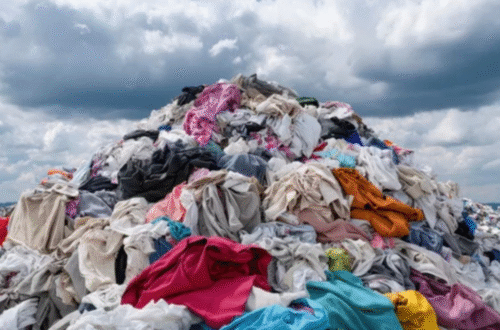
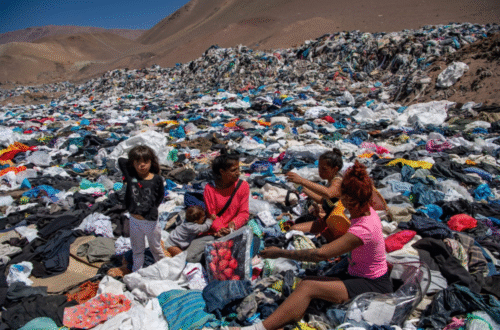
92 million tons of textile waste end up in landfills each year — that’s roughly the weight of 13 million elephants
Synthetic fabrics can take hundreds of years to break down, shedding microplastics into our soil, air, and water
Every second, a garbage truck worth of clothing is dumped or incinerated worldwide. What a waste.
HUMAN HEALTH IMPACTS
Fast fashion doesn’t just affect the planet — it affects us directly:
Toxic chemicals from synthetic fabrics can be absorbed through the skin
Off-gassing of VOCs (volatile organic compounds) can contribute to respiratory issues
Microplastics and textile chemicals contaminate our food chain
The Social Cost of Fast Fashion
Most fast fashion clothing is produced in developing countries, including Bangladesh, China, Indonesia, and Brazil. According to the nonprofit Remake, about 80% of garment workers are women between the ages of 18–24.
Many of these workers:
Earn less than a living wage
Work long hours in unsafe conditions
Are exposed daily to harmful chemicals
When shopping, ask yourself:
What is this item made of?
Where was it made?
Who made it — and under what conditions?
Shop With Intention: Less Is More
Instead of buying what trends or social pressure tell us we need, we can choose a more thoughtful approach. Every purchase is a chance to make a positive impact.
To learn more, check out our Conscious Consumerism Quick Guide.
Sustainable Ways to Refresh Your Wardrobe
Read labels and choose natural fibers like organic cotton, linen, wool, hemp, bamboo, and silk
Support slow fashion and ethical brands
Repair clothing and create hand-me-down chains
Shop second-hand at local thrift and vintage stores
Try online resale platforms like ThredUp, Poshmark, and Depop
Host or attend a clothing swap
Cleaner, More Sustainable Brands to Explore
Also worth checking out:
Mate the Label, Boden, Tentree, Girlfriend Collective, Organic Basics, Everlane, Hanna Andersson
FINAL THOUGHT
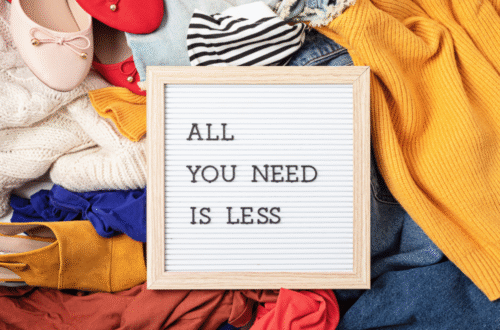
Back-to-school doesn’t have to mean back to overconsumption. By choosing less, shopping smarter, and supporting ethical alternatives, we can protect our planet, our health, and the people who make our clothes.
💚 Shop with intention. Less is more.
CLICK HERE to check out our Synthetic Clothing Quick Guide.
Learn More: The True Cost
The True Cost is a powerful documentary that explores the impact of the clothing industry on people, the environment, and global society. It’s a great starting point for anyone looking to understand how their wardrobe choices connect to the world around them.